
Osseous Surgery (Flap Surgery): What to Expect
If your periodontist has recommended osseous surgery, the conversation usually arrives after years of gum disease, deepening pockets, and a clear pattern of bone loss that scaling and antibiotics have not stopped. Osseous surgery, also called flap surgery, is the established surgical treatment for moderate-to-advanced periodontitis when the goal is to eliminate infected tissue, reshape damaged bone, and give the gum a chance to reattach to a clean surface. This guide walks through what the procedure involves, why it is still relevant in the LANAP era, what recovery actually looks like, and the questions worth asking before you schedule. Dr. Praveen Parachuru performs osseous surgery at Prosper Periodontics using protocols refined during his periodontics certificate at the University of Minnesota.
What Is Osseous Surgery and Why Is It Performed?
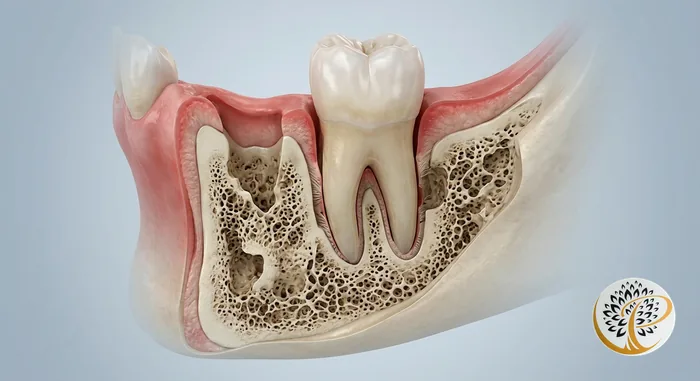
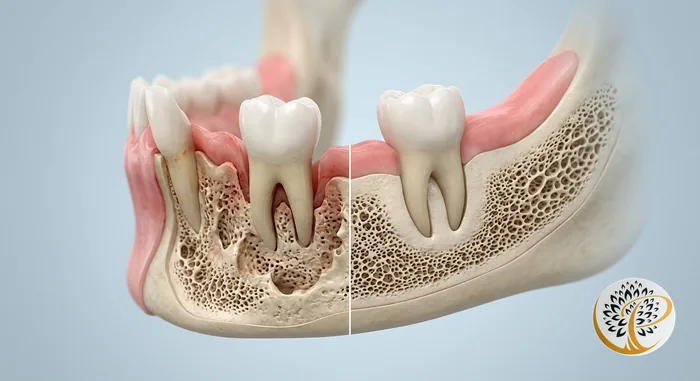
Osseous surgery is a periodontal procedure in which the gum tissue is folded back to expose the tooth roots and surrounding bone, infected tissue is removed, the irregular bone surface is reshaped, and the gum is sutured back into a healthier position. The procedure is performed when non-surgical therapy alone cannot eliminate the disease.
The word osseous refers to bone. The procedure is also called pocket reduction surgery because the central goal is to reduce the depth of the periodontal pockets that harbor disease-causing bacteria. Pockets of 6 millimeters or deeper are extremely difficult to clean with home care or routine maintenance, and the anaerobic bacteria that thrive in those pockets continue to destroy bone over time.
Three things happen during the procedure. First, the periodontist accesses the root surfaces and the surrounding bone by reflecting (folding back) a thin flap of gum tissue. Second, granulation tissue and bacterial colonies are removed from the bone surface and the root, and the root is mechanically smoothed to discourage bacterial reattachment. Third, the bone itself is reshaped where it has developed craters, ledges, or irregular contours that would prevent the gum from healing tightly against the tooth.
Studies suggest that pocket reduction following osseous surgery averages 2 to 4 millimeters at sites that began at 6 millimeters or deeper, with measurable gains in clinical attachment. The procedure has decades of long-term data behind it and remains a primary surgical option for the patient profiles where it is indicated.
When Is Osseous Surgery Still Recommended Over LANAP?
Even though laser-based protocols like LANAP have changed the surgical landscape, osseous surgery remains the better fit for several specific scenarios: severe vertical bone defects, certain anatomical complications, and cases where direct visualization of the bone surface is clinically necessary. The choice between procedures is case-specific.
LANAP is well-suited to moderate periodontitis where the disease pattern is consistent and the bone loss is primarily horizontal. The laser selectively targets diseased tissue and pigmented bacteria while preserving healthy tissue, and it does not require sutures or extensive flap reflection. For the right candidates, recovery is shorter and post-operative discomfort is reduced. Our LANAP vs traditional gum surgery guide walks through the comparison in detail.
There are scenarios where osseous surgery still has the edge. Severe angular or vertical bone defects with deep craters often require direct visual access for precise reshaping. Cases involving furcation defects (bone loss between the roots of multi-rooted teeth) frequently benefit from the open-access view that flap surgery provides. Patients with extensive calculus deeply embedded on the root surface may need direct mechanical instrumentation that is more efficient with the flap reflected.
Anatomical considerations also factor in. Some root configurations and bone topographies are easier to address with traditional flap access than with laser-only protocols. Dr. Parachuru selects the procedure that fits the diagnosis rather than defaulting to one approach for every patient.
What Happens on the Day of Surgery?
A typical osseous surgery appointment runs 60 to 120 minutes per quadrant and is performed under local anesthesia with optional sedation. Most patients have one or two quadrants treated per visit depending on the severity and the patient’s preference for total appointment time.
The visit begins with a review of the surgical plan and confirmation of any pre-operative antibiotic or anti-inflammatory regimen. Local anesthesia is delivered to the surgical area. If you have elected sedation, that protocol begins now. We discuss sedation dentistry options at the consultation and select what fits your medical history and anxiety level. Our sedation dentistry guide walks through the choices.
Once the area is fully numb, the periodontist makes precise incisions along the gum line and gently reflects the flap to expose the underlying bone and root surfaces. Diseased tissue is removed, the root is debrided and smoothed, and the bone is contoured to eliminate craters or irregular ridges that prevent proper healing. In some cases, regenerative material such as a bone graft or membrane is placed to encourage bone regeneration in defects that warrant it.
The flap is then repositioned and sutured into place. Sutures are typically dissolvable or removed at the one-to-two-week follow-up. A periodontal dressing may be placed to protect the area during initial healing. Post-operative instructions, prescriptions if indicated, and the follow-up schedule are reviewed before you leave.
What Does Recovery Look Like Week by Week?
Recovery from osseous surgery follows a predictable timeline: mild-to-moderate discomfort and swelling for the first 3 to 5 days, soft-food diet for 1 to 2 weeks, suture removal at 7 to 14 days, and full tissue maturation over 6 to 8 weeks. Most patients return to work within 1 to 3 days.
The first 24 to 48 hours involve the most discomfort. Cold compresses on the outside of the face during the first day reduce swelling. Prescription pain medication is sometimes used for the first day or two, with most patients transitioning to over-the-counter ibuprofen or acetaminophen by day three. Bleeding should taper to none by the end of day one. Mild oozing with saliva is normal during the first 12 hours.
Days 3 through 7 are the soft-food window. Lukewarm soups, scrambled eggs, smoothies, mashed potatoes, and yogurt are good options. Avoid anything crunchy, sharp, or hot. Vigorous rinsing, straws, smoking, and alcohol are off the table because they disturb the clot and the suture line. A prescribed antimicrobial rinse (typically chlorhexidine) replaces brushing in the surgical area for the first one to two weeks.
The one-to-two-week follow-up is when sutures are removed if they were not dissolvable, and the periodontist confirms the tissue is closing as expected. From weeks 2 through 8, the gum gradually matures, color normalizes, and the new attachment to the cleaned root surface stabilizes. Final pocket measurements are taken at 8 to 12 weeks, which is when the surgical outcome can be objectively measured.
How Do You Prepare for Osseous Surgery?
Good preparation reduces post-operative complications and improves the surgical outcome itself: stabilize underlying medical conditions, plan time off, fill prescriptions in advance, set up a soft-food kitchen, and confirm transportation if you have chosen sedation. None of these steps are optional in a well-run case.
Medical optimization is the most important. Diabetic patients should confirm an HbA1c under 7 percent if possible, because elevated blood glucose impairs wound healing. Smokers should ideally pause nicotine use for at least two weeks before and after surgery, which substantially improves attachment outcomes. Patients on blood thinners, bisphosphonates, or immunosuppressants need a coordinated plan with their physician before the surgical date.
Schedule the surgery on a Thursday or Friday if your work allows, so the bulk of the swelling phase falls on a weekend. Fill prescriptions before the appointment so you are not navigating a pharmacy while numb and tired. Stock the kitchen with soft-food options and an antimicrobial rinse ahead of time. If you have chosen IV sedation or oral conscious sedation, you cannot drive yourself home, so confirm transportation in advance.
A small set of habits in the days before the procedure also pays off. Avoid alcohol for 24 hours before. Do not eat for the time window your sedation protocol requires (your team will provide specifics). Get a full night of sleep. Bring loose, comfortable clothing.
Why Does Choosing a Specialist Matter for This Procedure?
Osseous surgery is a specialist procedure, and the long-term outcome depends heavily on the surgeon’s training, case volume, and judgment about how much bone to reshape, how to handle defects, and when to add regenerative materials. The margin between a good outcome and a compromised one is millimeters.
Periodontists complete a three-year specialty residency after dental school that focuses specifically on the bone, gum tissue, and surgical management of periodontal disease. Case volume matters because surgical skill is a function of repetition, and judgment in osseous surgery is hard-won. The decision to add a bone graft or membrane in a particular defect, the depth of bone reshaping, and the management of an unexpected anatomic finding mid-procedure all reflect specialist training.
Dr. Parachuru completed his periodontics certificate at the University of Minnesota alongside a PhD in Immunology. The immunology background informs how he thinks about chronic infection, host response, and the inflammatory mechanisms that drive periodontitis at the tissue level. That perspective shapes how he stages cases, sequences treatment, and counsels patients about long-term maintenance. Our periodontal care service page covers the full diagnostic and treatment pathway.
The patient takeaway is to confirm credentials and ask specific questions about case volume. Periodontists who handle surgical cases weekly maintain a level of mechanical and judgment-based skill that occasional placement does not replicate. Our first visit guide covers what a thorough specialist consultation looks like.
What Should You Ask Before Scheduling?
Five questions reliably separate a thorough surgical plan from a marketing-led one: What is my AAP stage and grade? Why osseous surgery instead of LANAP? What sedation options exist? What does the maintenance plan look like after surgery? And what is the cost and insurance breakdown? Specific answers indicate a well-considered plan.
The first question asks for a formal diagnosis. Stage I through IV and Grade A through C is the standard AAP classification. Knowing your stage and grade helps you understand both severity and the rate of progression, which together drive the urgency of treatment. Vague language is a flag.
The second question pushes the periodontist to articulate why this procedure for your specific case. The answer should reference your bone-loss pattern, defect morphology, and any anatomic factors that make osseous surgery the right fit over a laser-based alternative. Our LANAP recovery timeline guide helps frame the comparison if LANAP is also under consideration.
Sedation, maintenance, and cost are the practical layer. Sedation should be matched to your anxiety and medical history. Maintenance after surgery typically moves to a 3-to-4 month interval, which is the long-term protocol that protects the surgical investment. Insurance coverage for osseous surgery is generally better than for elective implant procedures, and a written estimate before surgery prevents billing surprises. Cherry Financing covers remaining balances if needed.
Ready to Address the Underlying Disease?
If your general dentist has flagged deep pockets, persistent bleeding, or progressive bone loss, the next step is a comprehensive periodontal evaluation to determine whether osseous surgery, LANAP, or a combination is the right fit for your specific case. Dr. Parachuru completed his periodontics certificate at the University of Minnesota with a PhD in Immunology, which means surgical candidates at Prosper Periodontics are evaluated by a specialist who understands both the mechanical and biological factors that drive long-term periodontal stability. We see patients from Prosper, Frisco, McKinney, Celina, and Aubrey at our office at 2300 E Prosper Trail Suite #20.
To schedule, call (972) 787-1122 or request a consultation online. Learn more about our surgical protocols on the periodontal care service page, explore the laser alternative on the LANAP service page, and review what to expect on your first visit. Frisco-area patients can read our periodontal care in Frisco page.